


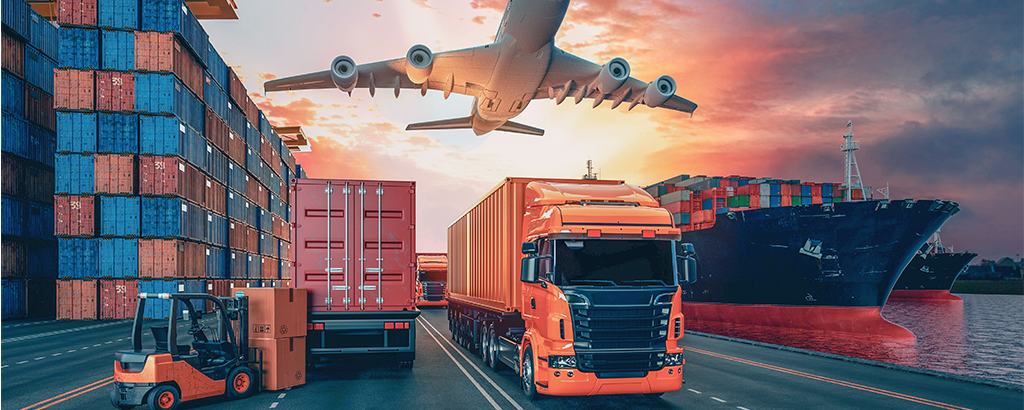
Intermodal Freight Transport Training Course
Training Course Objectives:
By the end of this Intermodal Freight Transport training course , delegates will be able to:
- Introduce participants to the principles and components of intermodal freight transport, including the integration of road, rail, sea, and inland waterway modes.
- Enhance understanding of the economic, environmental, and operational benefits of intermodal transport in global and regional supply chains.
- Explain the roles and responsibilities of key stakeholders involved in intermodal logistics, including carriers, freight forwarders, port operators, and regulatory bodies.
- Provide knowledge of containerization standards, handling procedures, and equipment used in intermodal freight operations.
- Develop skills in planning and coordinating efficient multimodal transport routes to optimize cost, time, and reliability.
- Explore regulatory frameworks, international agreements, and documentation governing intermodal transport, such as CIM, CMR, and IMO conventions.
- Examine digital technologies and innovations (e.g., tracking systems, transport management systems, and smart logistics) that enhance intermodal efficiency.
- Identify challenges and best practices for infrastructure development, interoperability, and sustainability in intermodal freight networks.
Training Plan Please Click Here
This Training Course will be held in (Istanbul / Cairo / Dubai / Jeddah / Trabzon / Sharm El Sheikh / Riyadh / Antalya / Kuala Lumpur / London / Vienna / Amsterdam / Abu Dhabi / Paris / Madrid / Barcelona / Baku / Milan / Rome / Athens / Cape Town / Alexandria / Casablanca / Marrakech / Zurich)
For Registration and Further Information about Training Course Content, Please Contact Us


