


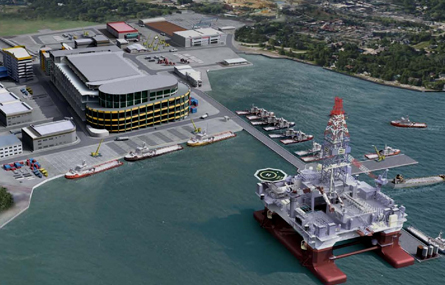
Offshore and Marine Supply Base Management for Supporting E and P Fields and Fleet Operations Training Course
Training Course Objectives:
By the end of this Offshore and Marine Supply Base Management for Supporting E and P Fields and Fleet Operations training course, delegates will be able to:
- Understand the Strategic Role of Offshore and Marine Supply Bases
-Recognize how supply bases serve as critical logistics hubs for supporting drilling, production, and marine operations in E&P fields.
-Identify infrastructure and service requirements across exploration, development, and production phases. - Plan and Manage Base Operations for Offshore Support
-Learn how to plan and coordinate vessel movements, cargo handling, bunkering, maintenance, and equipment dispatch.
-Optimize the use of berths, yards, warehouses, and fuel depots to ensure timely offshore support. - Apply Best Practices in Offshore Logistics and Inventory Control
-Implement effective material handling, stock control, and warehousing processes tailored to offshore operations.
-Ensure just-in-time (JIT) delivery and reduce turnaround times for marine assets and supply vessels. - Ensure Safety, Compliance, and Risk Management in Base Operations
-Apply international safety standards (e.g., IMO, ISPS, SOLAS, MARPOL) and environmental controls.
-Identify risks related to cargo handling, vessel traffic, fuel transfers, and hazardous materials. - Integrate Supply Base Operations with Offshore Fleet Management
-Support offshore supply vessels (OSVs), anchor handling tugs (AHTS), platform supply vessels (PSVs), and other marine assets with seamless coordination and logistics support.
-Align vessel scheduling, crewing, and bunkering with base operations. - Use Digital Tools and Technology in Base Operations
-Explore digital logistics platforms, inventory management systems, and real-time vessel tracking tools.
-Improve visibility, reporting, and decision-making using data-driven approaches. - Facilitate Coordination Among Stakeholders
-Work with drilling contractors, oilfield service providers, marine operators, and regulatory authorities.
-Ensure compliance with client SLAs and reporting requirements. - Monitor Key Performance Indicators (KPIs) and Cost Controls
-Establish and track logistics performance metrics including vessel turnaround time, fuel consumption, cargo accuracy, and HSE compliance.
-Implement cost-saving initiatives without compromising service reliability or safety. - Respond to Emergencies and Contingency Situations
-Plan for and manage disruptions such as weather delays, equipment failures, and supply shortages
Training Plan Please Click Here
This Training Course will be held in (Istanbul / Cairo / Dubai / Jeddah / Trabzon / Sharm El Sheikh / Riyadh / Antalya / Kuala Lumpur / London / Vienna / Amsterdam / Abu Dhabi / Paris / Madrid / Barcelona / Baku / Milan / Rome / Athens / Cape Town / Alexandria / Casablanca / Marrakech / Zurich)
For Registration and Further Information about Training Course Content, Please Contact Us


