


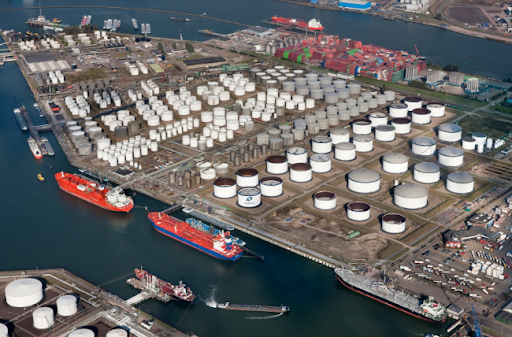
Oil and Gas Marine Terminals Training Course
Training Course Objectives:
By the end of this Oil and Gas Marine Terminals training course, delegates will be able to:
- Understand the design, operation, and layout of oil and gas marine terminals, including Single Point Mooring (SPM), jetties, and berths.
- Identify international regulations and safety standards applicable to marine terminal operations (e.g., ISGOTT, OCIMF, MARPOL).
- Assess the operational risks and environmental impacts associated with loading and unloading crude oil and LNG at marine terminals.
- Learn best practices in terminal management, inspection, and maintenance for safe and efficient operations.
- Understand vessel/shore interface procedures, including communications, pre-transfer checklists, and emergency response coordination.
- Analyze cargo transfer systems and metering, including pipeline arrangements, loading arms, hoses, and custody transfer principles.
- Apply security and emergency response protocols related to marine terminal operations, including oil spill prevention and response.
- Review case studies of incidents and operational challenges to improve decision-making and prevent accidents.
- Understand the role of marine pilots, mooring operations, and tugs in terminal vessel handling.
- Develop knowledge of port regulations and documentation requirements for oil and gas shipment handling.
Training Plan Please Click Here
This Training Course will be held in (Istanbul / Cairo / Dubai / Jeddah / Trabzon / Sharm El Sheikh / Riyadh / Antalya / Kuala Lumpur / London / Vienna / Amsterdam / Abu Dhabi / Paris / Madrid / Barcelona / Baku / Milan / Rome / Athens / Cape Town / Alexandria / Casablanca / Marrakech / Zurich)
For Registration and Further Information about Training Course Content, Please Contact Us


